

How to Determine Diameter and Pitch in Wire Spiral Coil Selection?
30 Ocak 2026
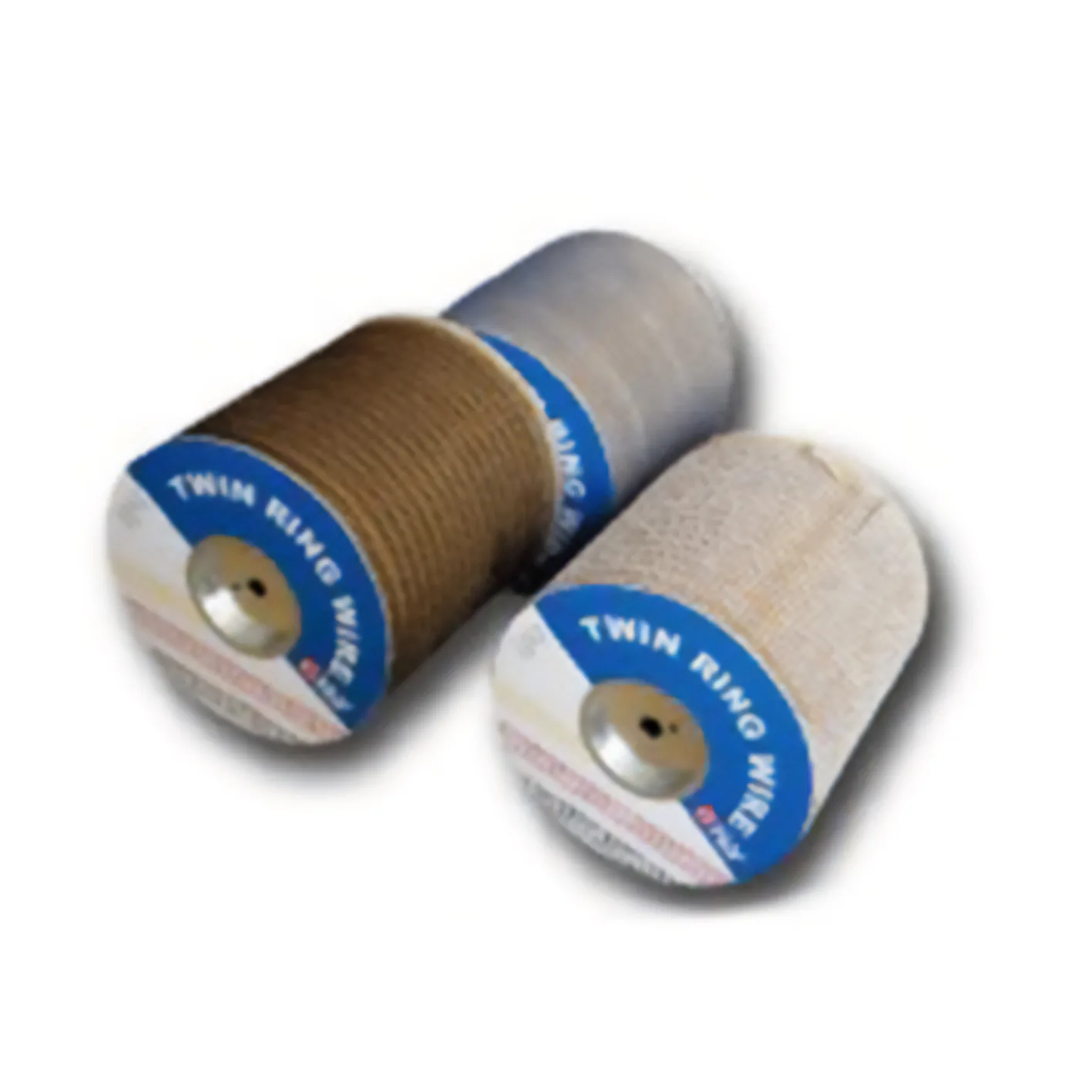
Wire spiral coil selection is a technical decision that directly affects binding quality and production efficiency.Incorrect diameter or pitch selection can cause binding to be loose or too tight, or even cause binding in automatic machines.In this article, we explain step by step how to choose the right diameter and pitch.
What is Pitch?
Pitch is a measurement of how many loops the wire spiral contains per inch.The two most commonly used pitch types are 3:1 and 2:1.This step type determines both the visual appearance and the maximum thickness the coil can support.
3:1 Step Coils
3:1 pitch bobbins start at 3/16'' (4.8 mm) diameter and are generally ideal for thin bindings up to 3.5 mm.This step type provides a more aesthetic and tight binding on thin products thanks to its more frequently spaced loop structure.It is preferred for thin notebooks, small agendas and presentation files with few pages.
2:1 Step Coils
2:1 pitch coils are used for jobs requiring higher capacity.With large bobbins up to 1 1/2'' (38.1 mm) in diameter in this group, even bulky jobs up to 30 mm thick can be completed without difficulty.Suitable for thick calendars, large agendas and multi-page reports.
Steps to Calculate Correct Diameter
1. Measure the Thickness of the Sheet Deck
Measure the stack of pages to be bound (including covers) without pinching them.This measurement forms the basis for choosing the correct diameter.
2. Determine the Appropriate Step Type
If the thickness you measure is below approximately 3.5 mm, 3:1 pitch coils should be considered, if above, 2:1 pitch coils should be considered.
3. Select Diameter Based on Thickness
As a general rule, the diameter you choose should be slightly larger than the thickness of the stack of sheets;This ensures that the wire passes smoothly through the holes and closes properly.A diameter that is too narrow will make binding difficult, while a diameter that is too wide will result in a loose and uneven appearance.
4. Verify with Test Batch
Before starting a large production run, verify with a small test batch that the diameter and pitch you have chosen will produce the results you expect.
Number of Loops and Production Continuity
The number of loops in each bobbin determines your total binding cost and production continuity.For example, a coil with a 3:1 pitch can contain between 1,000 and 127,000 loops of wire, depending on the diameter.If you are producing in high volume, you can reduce the need for frequent bobbin changes and minimize production downtime by choosing bobbins with high loop numbers.
Color and Appearance Options
In addition to diameter and pitch selection, color selection also affects the visual identity of your product.In addition to standard black and white options, transparent, colored and metallic options are also available.Although metallic options generally cost slightly more than standard colors, they can be preferred in projects seeking a premium look.
Quick Reference Table
|Page Thickness |Recommended Step |Diameter Range | |---|---|---| |0 - 3.5mm |3:1 Step |Starts from 4.8 mm | |3.5 - 30mm |2:1 Step |up to 38.1mm |
Consequences of Wrong Choice
Choosing the wrong diameter or pitch can cause the following problems:
- Loose binding and uneven pages
- It is difficult for the wire to pass through the holes and it gets stuck in automatic machines.
- The product looks sloppy aesthetically
- Inability of the wire to maintain its shape after binding
The Value of Team Training on Diameter Selection
Instead of keeping the correct diameter and pitch selection information only in a document, regularly providing short training on this subject to your team ensures that the information is truly internalized.When faced with new formats or materials, your team's ability to remember these basic principles and make the right decision quickly is a valuable investment that increases your daily operational efficiency.
Slight Differences in Diameter Standards of Different Suppliers
There may be slight physical differences between different wire spiral manufacturers, even within a diameter measurement that is referred to by the same name.When switching from one supplier to another, verifying the actual physical measurement rather than relying solely on the diameter label prevents unexpected discrepancies.Ignoring such small but important differences can lead to unexpected feeding problems, especially in automatic machines.Performing this verification when starting to work with a new supplier is a small but valuable precaution.
Sharing Diameter and Pitch Information Within the Team
The knowledge of choosing the right diameter and pitch usually accumulates in the mind of an experienced operator or production manager;However, having this information written down and accessible by the entire team turns your business's dependency on this matter from a single person into corporate information.Sharing this information with your team by creating a simple reference table or checklist will speed up training of new staff and prevent knowledge loss that may occur if an experienced employee leaves.
Contribution of Consumables Management to Overall Production Efficiency
Choosing the right diameter and pitch is actually just part of the big picture;The main goal is to integrate this information into your business's overall supplies management process.A business that has previously determined the correct wire spiral combination for each product format and made this information an easily accessible reference reduces the error rate and accelerates the training of new personnel.Such a systematic approach ensures that a seemingly small technical detail (diameter and pitch selection) turns into a significant efficiency gain across the business over time.
Common False Assumptions in Diameter Selection
Some manufacturers choose a larger diameter than needed, operating under the mistaken assumption that "a thicker diameter is always safer."However, a diameter larger than necessary will result in unnecessary material costs and may cause the product to appear bulkier and irregular.The correct approach is always to choose the diameter closest to the measured thickness and the narrowest through which the wire can pass comfortably;This gives the best result both aesthetically and economically.
Diameter Tests in the New Product Development Process
When developing a new product, it may not always be possible to hit the correct wire spiral diameter exactly the first time.Therefore, during your new product development process, it is recommended to make a comparative evaluation by producing small samples with several different diameter options.Testing these samples both visually and functionally (ease of opening and closing, feeling of tightness, etc.) allows you to make the most accurate diameter decision before starting mass production.
Diameter Re-evaluation in Format Changes
When the number of pages or cover material changes across a range, you need to re-evaluate whether the combination of diameter and pitch you previously used is still appropriate.For example, when additional pages are added to a calendar or when a thicker cover material is switched, the previous diameter may no longer be sufficient.Instead of automatically using the old settings in such changes, measuring the new thickness and updating the diameter selection accordingly is the most reliable way to maintain binding quality.
Diameter and Pitch Standardization in Bulk Purchases
Using as few different diameter and pitch combinations as possible in different product groups simplifies stock management and provides a stronger bargaining position with your supplier in bulk purchases.Reviewing your product range and identifying points where you can standardize products of similar thickness to the same diameter is an optimization step that provides benefits both operationally and in terms of the supply chain.
Frequently Asked Questions
What does wire spiral pitch mean?Pitch refers to how many loops the wire spiral contains per inch and determines both its appearance and the maximum thickness it can support.
What is the difference between 3:1 and 2:1 pitch?3:1 pitch is used for thin bindings (up to approximately 3.5 mm) and 2:1 pitch is used for thicker work (up to 30 mm).
How to calculate the correct diameter?The thickness of the stack of pages to be bound is measured and a diameter slightly larger than this thickness is selected to ensure that the wire passes easily and closes properly.
Why is the number of loops important?The number of loops determines how much binding a coil can do;A high number of loops provides less frequent changes and a more continuous production process.
What problems does wrong diameter selection cause?Loose binding can cause problems such as difficulty passing the wire through the holes, snagging in automatic machines, and a sloppy appearance.
We are with you in choosing the right diameter and pitch
As SpiralMakineleri.com, we help you find the right consumable for each product group with H&Y wire spiral coils with wide diameter and pitch options.
Check out our wire spiral coilsor tell us your needs:Contact us.