

How to Use Wire Binding Machine?Step by Step Guide
15 Haziran 2026
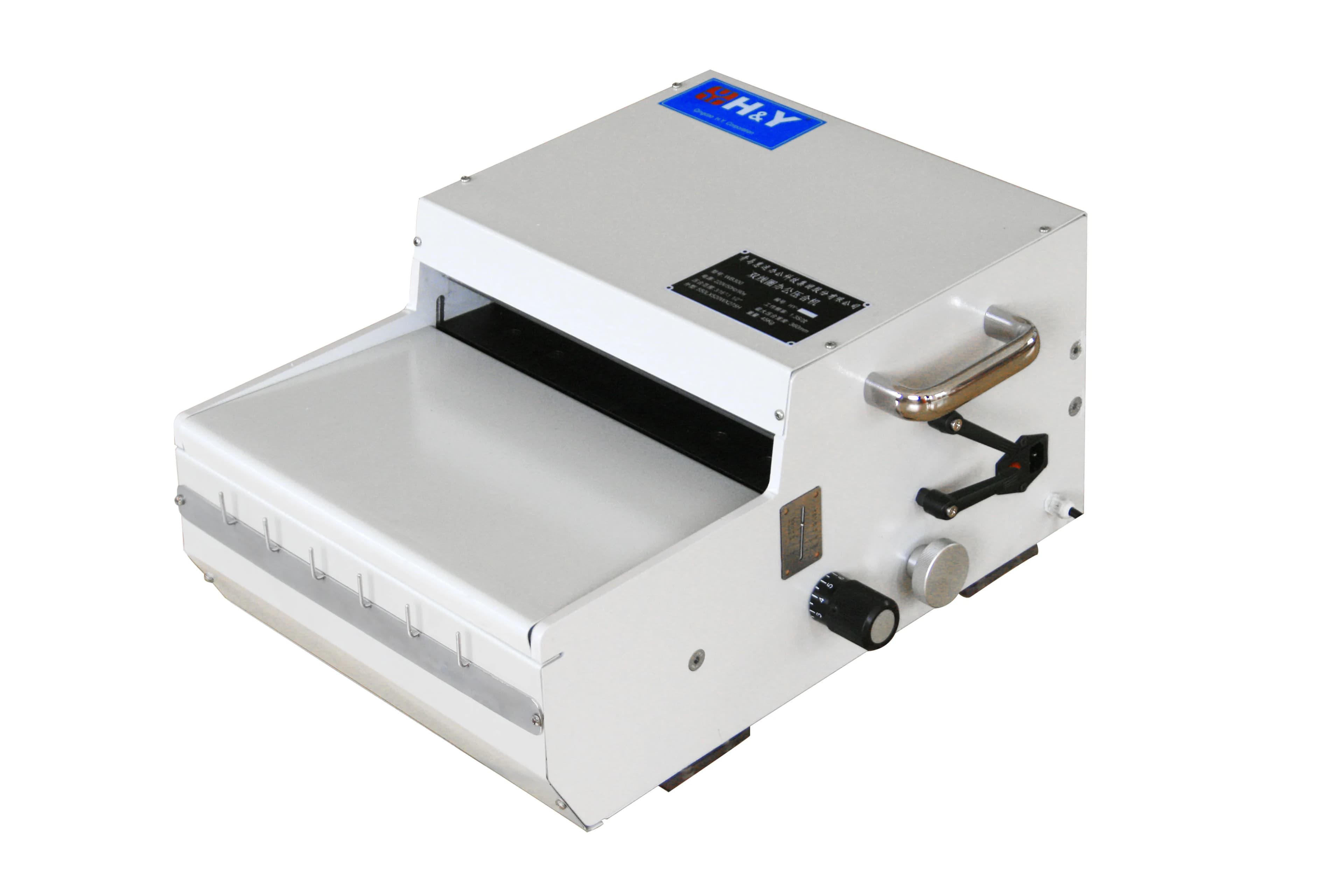
Wire binding is a durable and professional-looking method that is especially preferred in the production of agendas, calendars and notebooks.When used correctly, it gives both fast and clean results.In this article, we explain all the steps of the wire binding process and the points you should pay attention to, whether you are working with an office type machine or a fully automatic line.
1. Prepare Papers
Align the pages to be bound properly.Make sure there are no tears or curls around the edges;Otherwise, irregularities will occur during drilling and the final product will look sloppy.Checking the number of pages and paper weight at this stage makes it easier for you to make the correct settings in the next steps.
2. Get the Correct Drill Setting
Adjust the punching depth and position according to the paper thickness and number of pages you are using.On intensively used machines, this setting is usually preset, but be sure to check it when switching to different formats.Incorrect drilling depth can cause both paper tearing and improper binding of the wire when binding.
3. Perform Drilling
Insert the stack of paper into the machine and press the punch lever or automatic punch mode.On automatic machines such as the AP400A or AP500, this step is completed in seconds and with high precision.In manual machines, the pressure applied by the operator directly affects the hole quality.
4. Choose the Correct Wire Spiral Size
Select a wire spiral with a diameter and pitch appropriate to the thickness of the stack of punched sheets.Choosing the wrong size not only looks bad visually but also causes the binding to be loose or too tight.For example, 3:1 pitch bobbins are suitable for thin bindings, and 2:1 pitch bobbins are suitable for larger volumes.
5. Complete Binding Step
Pass the wire through the drilled holes and secure it with the closing mechanism.On office type machines such as WB300 or WB300+PS, this process is done quickly and safely in a single movement.Models such as the WB300+PS also automate the wire feeding process, further speeding up this step.
6. Final Check
Take the bound product in your hand and check whether the pages are opened properly and whether the wire is properly seated.Skipping quality control can cause small defects to go to the customer unnoticed, especially in mass production.Ensure your production line produces consistent results by sampling regularly.
Process Difference Between Office Type and Automatic Machines
In office type machines (such as WB300, WA300), most of the process steps are under operator control and are suitable for low-medium volume jobs.In fully automatic machines (such as AB42C, AB36), the drilling, wire feeding, cutting and binding steps work integrated with each other;The operator only deals with feeding and quality control.This difference directly affects how you manage the process as your daily production volume grows.
Common Mistakes
- Choosing a wire spiral that is not suitable for the paper thickness
- Going into mass production without checking the drilling depth
- Neglecting regular maintenance of the machine, which reduces drilling accuracy over time
- Using low quality wire spiral, which leads to jamming in automatic machines
- Allowing defective products to go unnoticed by skipping the quality control step
- Not updating machine settings during format changes
Practical Tips to Increase Productivity
Pre-save your machine settings for your favorite formats and paper thicknesses;This significantly reduces wasted time on format changes.Additionally, regularly training your operators on machine maintenance and basic troubleshooting steps will minimize unexpected downtime.
Process Optimization According to Different Binding Volumes
As your daily binding volume changes, you need to optimize your wire binding process accordingly.While on low-volume days it may be possible to check each product individually and handle it with care, on high-volume days this approach becomes unsustainable.In this case, organizing your production flow into batches (processing jobs of similar format and thickness repeatedly) will both reduce the frequency of setting changes and increase overall efficiency.
Additionally, on high-volume days, switching your quality control strategy to a sampling-based approach prevents the time loss of checking each product one by one.While you may not need this kind of flexibility on low-volume days, these types of process optimizations become increasingly critical as your volume increases.
The Importance of Information Transfer during Shift Change
In multi-shift businesses, complete transfer of information about machine settings and the currently produced format from one operator to another is critical for production continuity.Using a simple shift handover form (containing information such as the current format, wire spiral size used, any pending problems) ensures that the new shift continues smoothly from where it left off.Such a small organizational step significantly reduces time loss and errors during shift changes.
Common Technical Problems and First Response
Some common technical problems you may encounter when working with a wire binding machine and the first steps to respond to them are: improper feeding of the wire is usually caused by accumulation of dirt in the feeding mechanism and can be solved by cleaning;Loose binding is usually caused by choosing the wrong diameter and is corrected by changing to the correct size;Unexpected stopping of the machine is most often caused by the triggering of a safety sensor and can be solved with the reset steps in the machine's user manual.
Having your operators be able to solve such basic problems on their own protects your production flow by reducing the need to call technical service for every minor problem.However, in case of more serious symptoms caused by electronic or engine, the authorized technical service should be contacted.
Training Approach for Beginning Operators
Qualifying an operator on a wire binding machine is usually a several-step process.In the first stage, the operator familiarizes the machine with low-risk and standard format jobs;At this stage, accuracy, not speed, is the priority.In the second stage, practice is done with different thickness and format combinations;This allows the operator to understand the machine's limits and adjustment logic.In the third stage, the operator begins to work at the real production pace and with the responsibility of quality control.
This gradual approach significantly reduces the error rate, especially in office and semi-automatic machines, which are more dependent on operator skill compared to fully automatic machines.Having new operators work with an experienced operator in the first weeks is a practical method that accelerates the learning process.
Setting Changes for Different Paper Weights
As paper weight increases, different settings are required for both punching and binding stages.For thin papers (60-80 g) standard settings are usually sufficient, while for thick cardboards (250 g and above) the punching pressure and wire spiral diameter need to be updated accordingly.Switching to mass production without testing these transitions beforehand is a common source of error, especially when the cover material changes.
Frequently Asked Questions
What is the first step when using a wire binding machine?The first step is to properly align the papers to be bound and make sure there are no tears or curls around the edges.
How to determine the correct wire spiral size?A wire spiral with the appropriate diameter and pitch is selected according to the total thickness of the punched sheet deck;Incorrect measurement causes both visual and functional problems.
What is the process difference between office type and fully automatic wire binding machines?In office type machines, the process is largely under operator control;In fully automatic machines, drilling, wire feeding and binding steps proceed in an integrated and automatic manner.
What is the most common mistake when wire binding?Choosing a wire spiral that is not suitable for the paper thickness is one of the mistakes that most affects both the visual quality and the durability of the binding.
How often should the wire binding machine be maintained?Depending on the intensity of use, maintenance at regular intervals is recommended to maintain drilling accuracy and machine life.
Details of Equipment Cleaning in Wire Binding Process
Accumulation of paper dust and scraps in wire binding machines can, over time, negatively affect the precision of the feeding mechanism.In your daily cleaning routine, you need to carefully clean not only the external surfaces, but also the wire feed channels and the area around the drilling mechanism.Using compressed air is an effective way to remove clippings from hard-to-reach corners;However, make sure the machine is turned off and in a safe condition when performing this operation.
During a more thorough weekly cleaning, opening the machine's doors and visually inspecting the internal mechanisms will allow you to detect early signs of accumulated dirt or wear.Such a regular and meticulous cleaning routine is particularly important for machines operating in a high-dust environment (for example, in a workshop where paper cutting operations also take place).
The Right Machine Means the Right Result
Whether you are looking for a low-volume WB300 for office use or a fully automatic solution such as the AB42C for high-run production, the combination of the right machine and the right consumables will make your job easier.
If you're not sure which machine is right for your business,contact us;Let's determine together the most appropriate solution according to your needs.For suitable wire spiral optionsour wire spiral coils pageyou can review.